Building our
urban farm dream
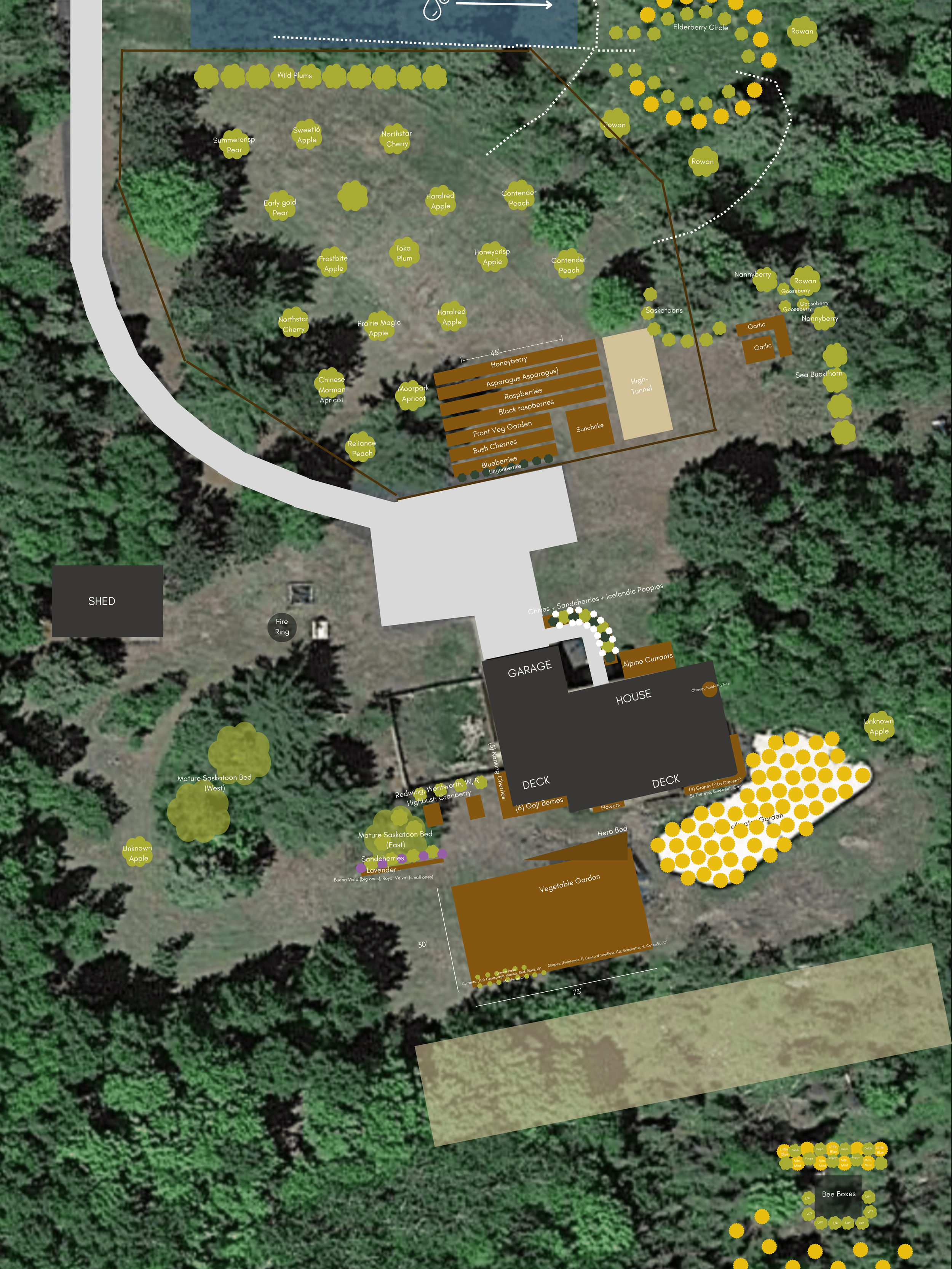
Since 2023 we have been sinking our hands into this property. Work spanning soil building, planting the orchard, installing vegetable gardens, establishing perennial fruits, maple sugaring, eradicating buckthorn, and raising honeybees, we have been busy making our vision a reality. This dream started with a drive towards resiliency, improved access to nutritious foods, and reducing dependence on our conventional food system. In the time that we have been here, we have added more than 6,000 sq ft of growing space, with plans to add more. As we think of the future of this space, we look forward to selling in our farm stand and providing a small CSA. We are located on the edge of the city, less than five minutes from the grocery store, making our farm an easy stop when buying produce during the growing season. Until then, we are accepting of volunteers who are interested in doing a work-trade. If you’re interested in working with us, send us a message.
Some facts to share
-
Restaurants produce a lot of scraps that can be diverted from a landfill into a compost pile. In addition to food scraps, coffee grounds are also compostable.
In 2025 we collected over 700 pounds of compost from Cedar Coffee. -
Like many people on the north shore, our soil is very rocky with poor structure and little life. As we established our in-ground beds, the key to our success was a blend of black dirt from Anderson’s Greenhouse and inoculated compost from Shoreview Natives. Throughout the season we apply fish emulsion to help support the plants and plant intensively to help keep the soil covered.
-
Saskat is derived from the word Saskatoon, also known as juneberry and serviceberry. One of our favorite features of our property is the abundant presence of saskatoons on our hillside.
-
Of course we appreciate and admire every ounce of what is here. But there are some things here that come with a deeper meaning.
The elderberry circle planted in 2024 is made up of sixteen elderberries tightly arranged to create a quiet haven for reflection while amongst the blossoms and berries.Our strawberry patch came with us from a farm we worked on in Montana. The generosity of the giver is reflected in these plants, producing beautiful gifts all season long.
-
We don’t use metal cages. We find them cumbersome to store and expensive for the purpose. Instead, we rely heavily on many iterations of bamboo staking and trellising, which is usually the heart of our garden designs. But what about the tomatoes? In spaces with many tomatoes, we like to use the Florida weave approach, yielding dense lush walls of tomatoes.
-
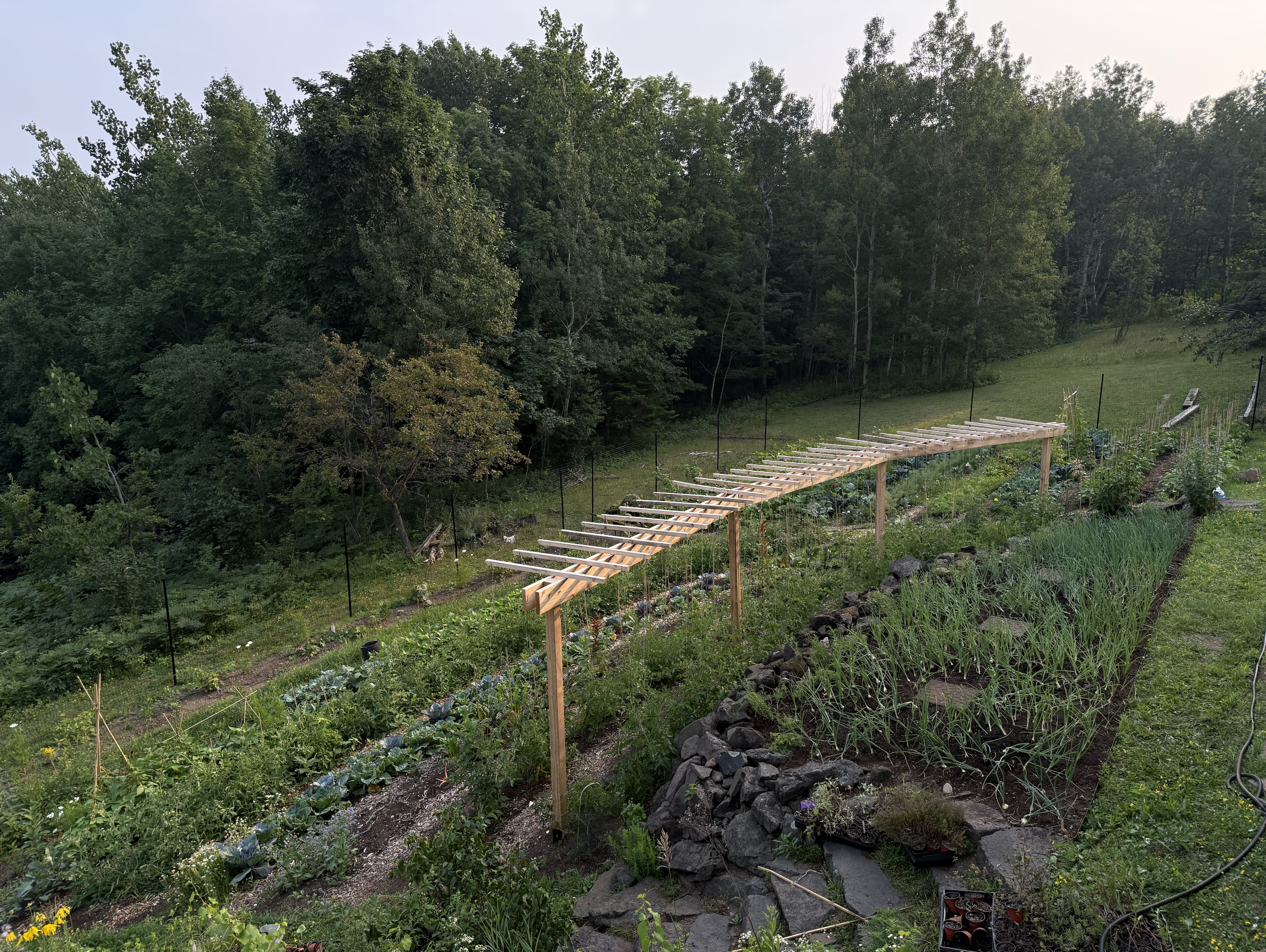
A micro-climate is the cumulation of how sun and wind exposure, property features, rain fall, etc. impact the hyper-localized climate of your property. We think our set-up, while unconventional, offers a lot of strengths. The south side of our property has an exposed hillside where our vegetable gardens reside. The hill blocks wind and stores heat well, especially with the large rocks serving as added thermal mass. This offers us a few extra weeks in the beginning and end of the growing season.
This hillside set-up means our vegetable garden is terraced down the hill. Terraced gardens have their own unique strategy, being that they help water drain effectively and efficiently— a welcomed bonus with the amount of clay in the area.
Tomatoes
I waited so long for love
and suddenly, here it is
standing in the garden, hands full
of heirlooms hot from the sun.
Soon we’ll make a supper of them.
Salted slabs between slices of bread.
Your beard silvers. My hips ripen.
The mail piles up.
Phone calls go unanswered. Forgive us.
Our mouths are full of tomatoes.
We are so busy
being small and hungry and alive.
by J. Sullivan

The beloved tomato— who can argue with how it completes a garden? We cherish these big red fruits and they make up the bulk of our winter food storage. In 2025 we planted fifty to be exact. Throughout the season we harvested almost 300 pounds of tomatoes and processed them into salsa, tomato basil jam, pasta sauce, freeze-dried, and dehydrated them. But of course, fresh eating is our favorite. The poem “Tomatoes” by J. Sullivan is one of Brandi’s favorites.